
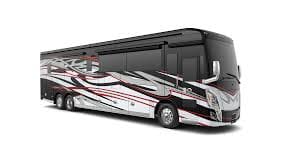
Recreational vehicles (RVs) offer the freedom to explore the open road while enjoying the comforts of home. Whether you’re planning a cross-country adventure or weekend getaways, understanding RV insurance is crucial to protect your investment and ensure peace of mind.
What Does RV Insurance Cover?
RV insurance is designed to provide coverage similar to both auto and homeowners insurance, given that RVs serve as both a vehicle and a living space. Here are some key coverages to consider:
Liability Coverage
Liability coverage is essential for any vehicle, including RVs. It covers bodily injury and property damage you may cause to others in an accident. This coverage helps protect your financial assets if you’re found legally responsible for damages or injuries.
Collision and Comprehensive Coverage
Collision coverage pays for damage to your RV resulting from a collision with another vehicle or object. Comprehensive coverage, on the other hand, covers non-collision-related incidents such as theft, vandalism, or natural disasters. Both are crucial for safeguarding your RV against unexpected events.
Personal Belongings Coverage
Since RVs often serve as a home away from home, they tend to carry personal belongings. This coverage helps protect your personal items inside the RV, such as clothing, electronics, and kitchenware, from loss or damage.
Uninsured/Underinsured Motorist Coverage
This coverage is vital if you’re involved in an accident with a driver who either doesn’t have insurance or lacks sufficient coverage to pay for your damages. It ensures that you are not left with out-of-pocket expenses due to someone else’s lack of insurance.
Roadside Assistance
Having roadside assistance can be a lifesaver if your RV breaks down. This coverage typically includes towing, fuel delivery, flat tire changes, and lockout services, providing peace of mind during your travels.
Factors Affecting RV Insurance Rates
Several factors influence the cost of RV insurance. Understanding these can help you make informed decisions:
-
Type of RV: The size, class, and value of your RV can significantly impact your insurance rates. Larger and more expensive RVs generally cost more to insure.
-
Usage: How often and how far you travel with your RV can affect your premiums. Full-time RVers may face different rates compared to those who use their RVs seasonally.
-
Driving Record: A clean driving record can help lower your insurance costs, while a history of accidents or violations may increase premiums.
-
Location: Where you store your RV and the areas you travel to can also influence your insurance rates due to varying risks of theft, vandalism, or natural disasters.
Why RV Insurance is Essential
Owning an RV is a significant investment, and having the right insurance coverage is crucial to protect that investment. RV insurance not only covers potential damages and liabilities but also offers peace of mind, allowing you to enjoy your travels without worry.
For more personalized advice and to explore the best RV insurance options for your needs, feel free to reach out to Insurance Strategies- The Cooksey Agency. Our team is here to assist you in finding the right coverage to keep you and your RV protected on the road.